
The short answer
Service engineers in refrigeration, lifts and security work across different environments with distinct specialist knowledge. Tailor your job posting and qualifications to the specific role, not to a single generic engineer profile.
Why job boards fall short here
Job boards reach people who are actively looking. That is a small group – particularly in technical roles where the workload is high and leaving feels less natural. A service engineer with ten years of experience in refrigeration has no reason to check a job site every week. He might get a message from a former colleague, scroll through his phone in the evening, and then – if you get it right – come across your vacancy.
That moment is different from the job-board moment. It is passive, fleeting, social. The question he asks himself is not "does this fit my career?" but "do I want to know more?" Hit the tone of a job advert at that moment, and you lose him. Hit the tone of a conversation, and you have a chance.
Social recruitment works here because it reaches people who are already employed. You can target by sector, region, and job background – without the candidate having searched for anything. The trade-off is that your content must also work for people with no immediate search intent. A list of requirements does not work. A picture of the work, the colleagues, or the field does.
What you can do with the content
Imagine you are looking for a lift engineer for maintenance and call-out work in an urban area. An advert that shows the independence of the role – the autonomy over planning, the variety across sites – works better than one that lists fifteen requirements. An engineer recognises himself in the work, not in a job profile.
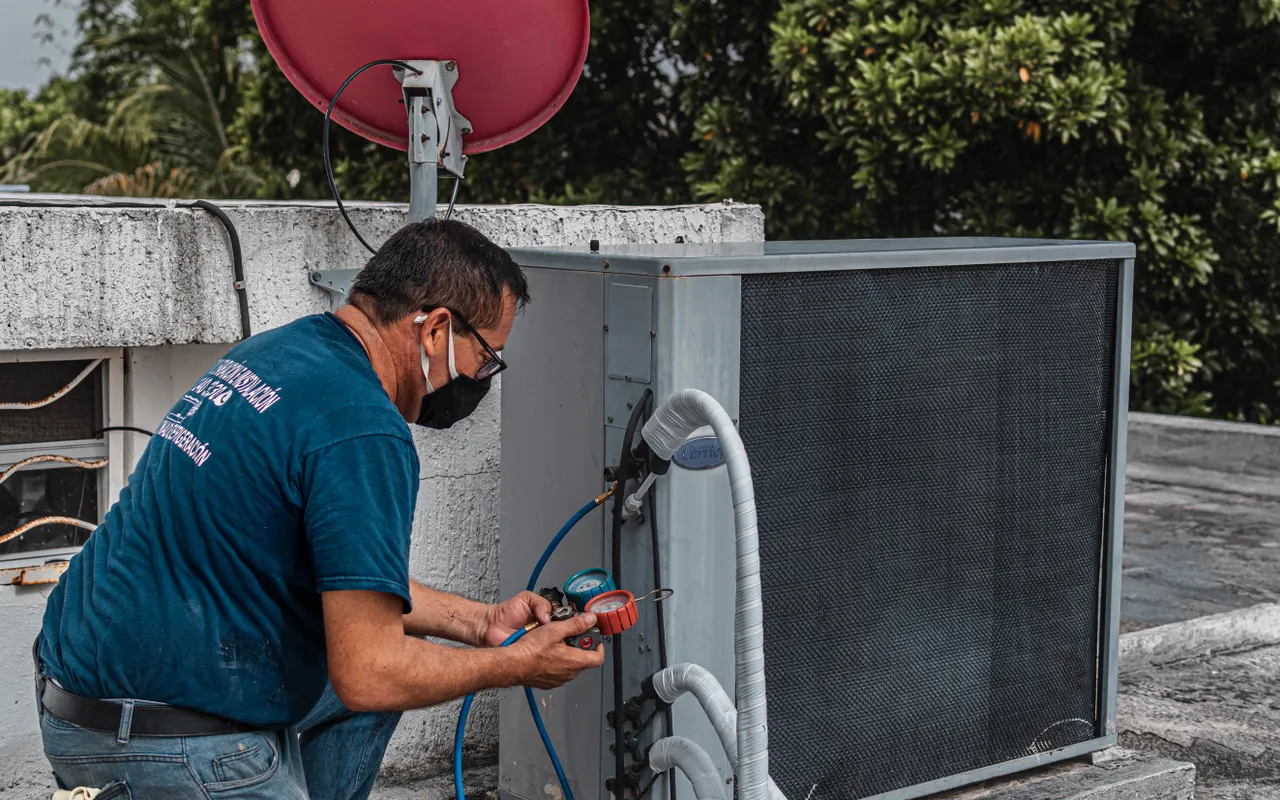
The same applies to a refrigeration systems technician who works daily at supermarket chains or logistics hubs, or a security technician who commissions alarm and camera systems. Hypothetical examples, but the principle is the same: make the day-to-day reality visible. What problems does someone solve? What does his day look like? Which type of clients does he visit?
How the qualification stage works
Reach is one thing. Assessment is another.
Red Rocket's AI recruiter conducts the first conversation via WhatsApp, around the clock, even when you are not available. The system asks questions matched to the organisational context and the job requirements you specified in advance: work experience, willingness for call-out work, relevant installations, region. It is not a form. The conversation follows up based on what the candidate answers.
What you then receive in the Cockpit: the candidate's profile, the full conversation log, a CV if provided, a score against the agreed criteria, and suggested questions for the follow-up conversation. That follow-up conversation you conduct yourself. The personal assessment – whether someone fits your team, how he communicates, what drives him – is yours to make.
A practical step-by-step
- Define your job requirements. What are the hard criteria? Think about type of installations, required experience, willingness for on-call work, region. Vague requirements lead to vague qualifications.
- Make the content concrete. No abstract descriptions – images of the work itself. Photos of the fleet, a brief description of the type of projects, a colleague's face.
- Choose your channel deliberately. Social media reaches passive candidates; job boards reach active seekers. For scarce technical roles, a combination of both is more effective than either channel alone.
- Let the AI recruiter conduct the first conversation. Set the qualification criteria based on what you actually need. The conversation takes place 24/7, including outside office hours.
- Review profiles in the Cockpit. Read the conversation log, check the score, use the suggested questions. Invite the candidates you find promising for a personal conversation.
Frequently asked questions
Does social recruitment also work for scarce specialists, such as lift engineers or refrigeration technicians?
Yes, but do not expect large volumes. The advantage is not that you receive hundreds of responses, but that you reach people who would otherwise never come across your vacancy. One strong profile you would never have found through a job board is already worth the effort.
How specific can I make the qualification criteria?
As specific as you like, as long as the criteria are objective and role-related. Whether someone has experience with a particular type of installation, or is willing to do on-call work: those are legitimate questions. Criteria that have nothing to do with the job do not belong in a fair qualification process.
What if a candidate is not suitable for this role but could be interesting for another?
You see that quickly in the conversation log. You can save the profile and follow up later. The Cockpit gives you a clear view of what was discussed, so you can judge for yourself where the match does lie. --- More on recruiting service engineers at recruiting service engineers. On how the WhatsApp qualification conversation works, at WhatsApp screening. Get in touch to discuss the possibilities.