The short answer
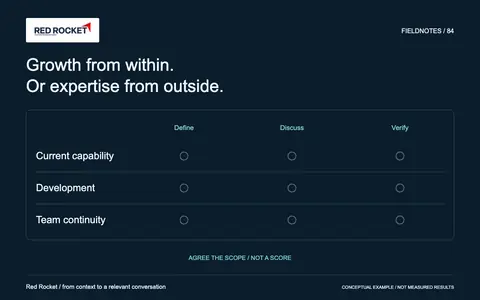
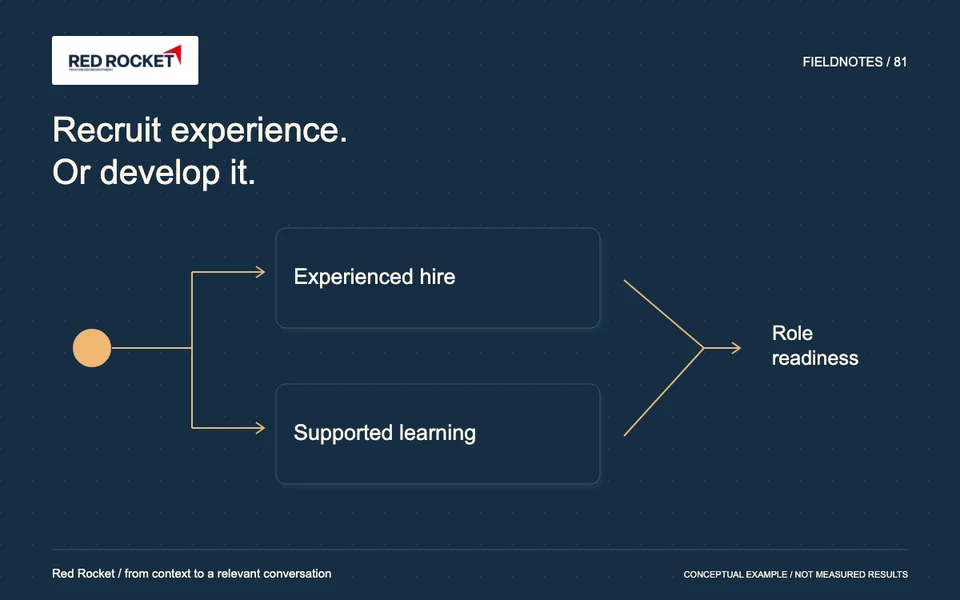
Training works when you have an experienced professional with growth potential, enough mentoring time and clear learning objectives. Recruiting makes more sense when the role needs to be fully operational from day one. The decision depends on what you need immediately, how much guidance you can offer and how long you can absorb a ramp-up period.
Bring your role, region and essential criteria. In 30 minutes, we explore how to reach technical people who are not actively looking and which approach could fit your vacancy.
What does a work planner actually do on day one?
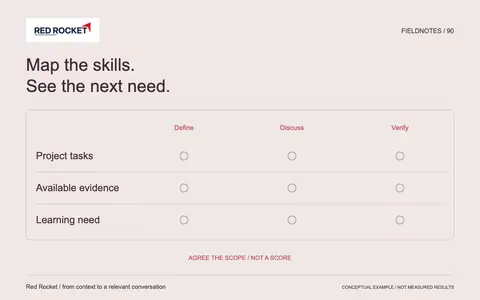
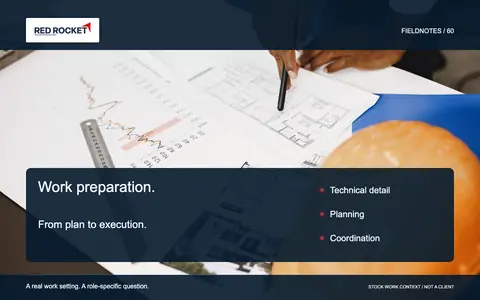
Before you decide, map out which tasks must be performed from the very first week. Think of translating technical drawings, coordinating with site managers and tracking material lists. Tasks that cannot afford early mistakes will cost your project money. Identify which responsibilities can tolerate a learning curve and which cannot.
The training route: when does it work?
Training an experienced professional – a site supervisor, estimator or technician who already understands how a project fits together – is realistic. What still needs to be learned: planning systems, document management and client communication. That requires structure, not just goodwill. Set quarterly learning objectives and agree on interim review moments from the start.
Mentoring time is not a side issue
The most underestimated factor: who guides the candidate, and how many hours per week does that take? A realistic estimate is two to four hours per week during the first three months. If that time is not available, the training slows down or quality suffers. Name the mentor upfront and clarify what gets freed up in their own workload to make it possible.
The recruitment route: when is it the better choice?
Recruiting makes sense when the role must be filled immediately, when there are no suitable internal candidates or when the learning curve is too long for your project schedule. An experienced work planner brings methods, networks and independence from day one. The entry threshold is higher, but the ramp-up is shorter. Red Rocket combines a targeted campaign, AI recruiter and organisational context to surface the right candidates quickly – personal assessment and follow-up remain with you.
How do you make the decision concrete?
Ask yourself three questions: Which tasks must run from day one? How much mentoring time is structurally available? And how long can you absorb lower output? If the answers point to less than two hours of guidance per week and a ramp-up of more than six months, recruiting is likely the more realistic route. Both options require a deliberate choice, not a last resort. Discuss your situation in a short conversation – or read more about labour market solutions for technical staff at uwv.nl.
Frequently asked questions
Can any experienced professional grow into a work planner role?
Not automatically. Technical insight is a solid foundation, but planning discipline, client communication and document management need to be actively developed. Assess each person individually – do they have the willingness and capacity to learn, and can you provide the guidance that requires?
How long does it typically take to train a work planner?
It varies considerably depending on the starting point. Someone with site management experience may be working independently within six to twelve months, provided there is consistent mentoring. Without a mentor or clear objectives, that timeline easily extends. Build in interim evaluation moments so you can course-correct early.
What if we realise halfway through that the training is not working?
Raise that risk upfront. Set a go/no-go moment after three months. If the candidate is not meeting learning objectives or mentoring time proves unavailable, adjusting early is far less costly than adjusting late. Recruiting remains an option – and everything you have learned about the role will help you write a sharper vacancy.