The short answer
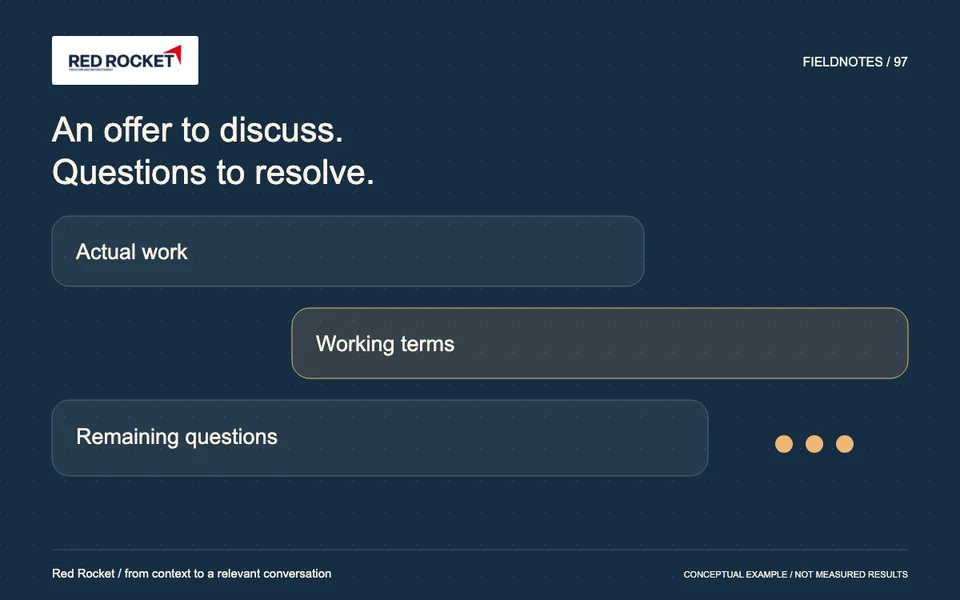
Discuss role content, responsibilities and employment conditions together with the decision-maker before making a formal offer. Give the candidate space to ask questions. That conversation is separate from legal acceptance: a signature follows only once both parties fully agree on the substance.
Bring one vacancy. In 30 minutes, we discuss where your recruitment is getting stuck, which approach could fit and your recruitment fee.
Prepare the conversation with the decision-maker
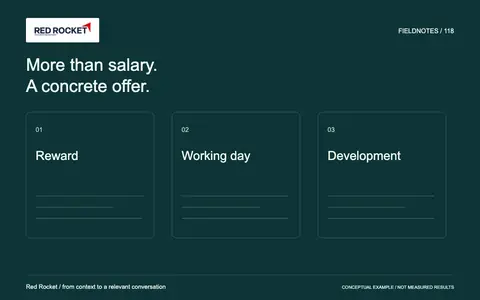
An offer conversation starts internally, not with the candidate. Align with the hiring manager on which responsibilities, tasks and employment conditions you will discuss. Also agree on who leads the conversation: the recruiter, the manager or both. Ambiguity about roles confuses the candidate and slows everything down.
Discuss content before contract details
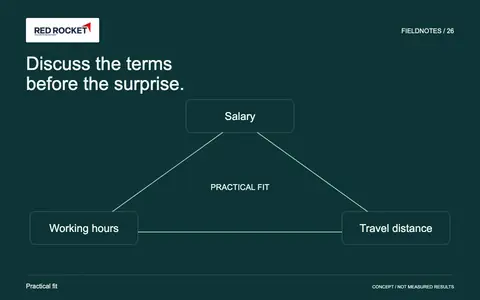
Technical candidates want to know what they will do day to day, who they will work with and what authority they will have. Start there. Conditions such as salary, working hours and remote arrangements come second. That way the conversation feels like a genuine introduction to the role rather than a transaction.
Make space for open questions
Ask directly: "What do you still need to make a decision?" Technical candidates often have specific questions about tooling, architectural choices or team composition. Note those questions and make sure the right person answers them, even if that requires a second conversation.
Distinguish the conversation from legal acceptance
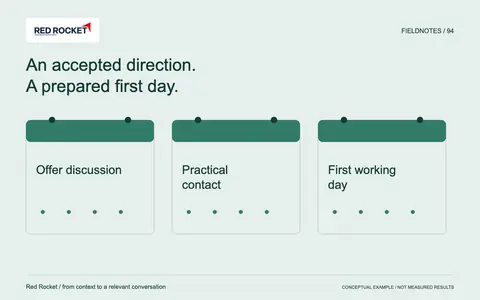
A verbal agreement is not an employment contract. Make that clear. The offer conversation is meant to reach agreement on substance; formal acceptance follows in writing. This prevents misunderstandings about what has or has not been agreed, and gives the candidate time to decide without pressure.
Close with a concrete next step
Agree on a clear deadline for the written response and confirm who drafts and sends the contract. At Red Rocket, AI recruiter supports the conversation with organisational context, so candidates already have a realistic picture of the role early on. Want to see how that works? Book a conversation or read more about candidate experience on Recruitee's candidate experience blog.
Frequently asked questions
Who leads the offer conversation: recruiter or hiring manager?
That depends on the organisation. A combination is often strongest: the recruiter manages the process and conditions, while the hiring manager answers questions about the role itself. Agree on that division beforehand.
Can you negotiate salary during the offer conversation?
You can create space for a salary discussion, but guarantees about outcomes are not realistic. Set the internal bandwidth in advance and be transparent about it. That prevents expectations you cannot meet later.
How long can a candidate take to consider an offer?
There is no statutory deadline, but three to five working days is a reasonable and common timeframe. Communicate that actively and remain available for questions. Applying pressure tends to backfire, particularly with technical candidates who often have multiple options.